Are Dry Bag Backpacks Completely Waterproof?

What Does “Waterproof” Really Mean?
When people ask if a dry bag backpack is completely waterproof, the answer depends on what “waterproof” means in practice. In most cases, waterproof refers to the ability to keep water out during rain, splashes, or brief exposure to water. It does not always mean the bag is designed to stay dry during long periods of full submersion. Understanding this distinction helps set realistic expectations before heading out.
How Dry Bag Backpacks Keep Water Out
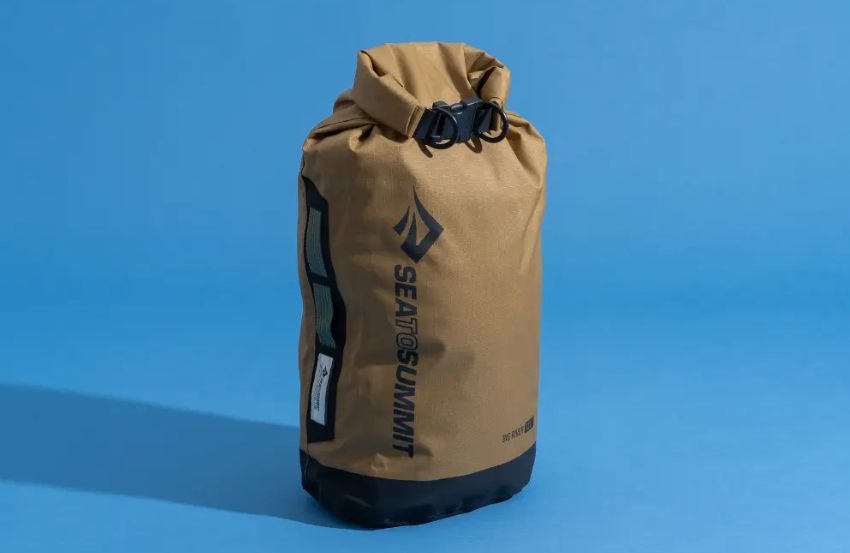
Dry bag backpacks are typically made from waterproof materials such as PVC, TPU, or coated nylon. Instead of traditional zips, most use a roll-top closure that creates a seal when folded correctly. Seams are often welded rather than stitched, which reduces the risk of water seeping through needle holes. Together, these features provide strong protection against water entering the bag in wet environments.
See also: strengthen business financial systems
When Is a Dry Bag Backpack Waterproof Enough?
For most outdoor activities, a dry bag backpack offers more than enough protection. They perform well during kayaking, paddleboarding, boating, beach days, and hiking in heavy rain. They also protect gear from splashes, spray, and accidental drops into shallow water. For general outdoor use, travel, and water sports, a quality dry bag backpack Australia option provides reliable waterproofing without the need for specialised submersible equipment.
Testing the Waterproof Capabilities
In real-world use, dry bag backpacks handle rainstorms, wet decks, and river spray very well. A simple way to test waterproofing is to place a dry tissue inside the bag, seal it properly, and lightly hose or splash the exterior. If the tissue stays dry, the seal is working as intended. Regular checks like this help ensure your bag is still performing properly over time.
When You Might Need a Submersible Dry Bag
If your activities involve full underwater submersion, such as scuba diving, canyoning, or frequent deep river crossings, a standard dry bag backpack may not be sufficient. In these cases, fully submersible dry bags with specialised closures or pressure-rated designs are a better option, especially for protecting electronics or camera equipment.
Caring for Your Dry Bag Backpack
Proper care helps maintain waterproof performance. Rinse the bag with fresh water after exposure to salt or sand and allow it to dry fully before storage. Regularly inspect the material and roll-top closure for cracks, wear, or stiffness. Avoid overfilling the bag, as this can prevent a proper seal and reduce water resistance.
In Summary
Dry bag backpacks are highly effective at keeping gear dry in wet and unpredictable conditions, but they are not always designed for prolonged underwater use. For most outdoor adventures, they provide excellent protection and peace of mind. By understanding their limits and choosing the right design for your activities, you can confidently rely on a dry bag backpack to keep your essentials safe and dry.