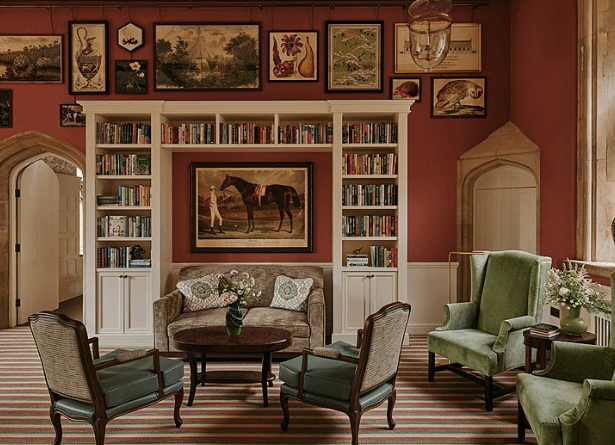
The Healing Power of Design: Creating Luxurious, Therapeutic Spaces for Dementia Care

For too long, care home interiors have been associated with clinical functionality—sterile corridors, institutional colour palettes, and spaces designed primarily for ease of maintenance rather than the wellbeing of those who inhabit them. But a growing body of evidence, combined with a fundamental shift in how we think about care, is challenging this narrative. The spaces in which people live profoundly influence their physical and emotional health, and nowhere is this more evident than in dementia care.
Environmental design for dementia is evidenced as an effective nonpharmacological intervention for treatment of the symptoms of dementia and is associated with higher levels of independence and wellbeing for people living with a variety of age-related cognitive, physical, and sensory impairments.
This means that thoughtful, beautiful interior design isn’t merely an aesthetic luxury—it’s a clinical intervention. When we create spaces that are both luxurious and therapeutic, we’re not indulging residents; we’re actively supporting their health, dignity, and quality of life.
The question is no longer whether design matters in dementia care. The question is: how do we create environments that are simultaneously elegant, comfortable, and clinically supportive?
Understanding the Connection Between Environment and Wellbeing
The environments in which we live and work have a profound influence on our physical and psychological well-being. In healthcare settings the environment has an important role to play in supporting clinical interventions.
For people living with dementia, this connection becomes even more critical.
Dementia affects not just memory, but perception, spatial awareness, emotional regulation, and the ability to navigate and understand one’s surroundings. A person living with dementia may experience confusion, anxiety, or distress when in an environment that feels unfamiliar, cold, or difficult to navigate. Conversely, relatively simple, cost-effective changes to the physical environment of care have positive effects on people with dementia and those using and working in the services. These include reducing agitation and distress and raising staff morale.
But here’s what’s truly transformative: when we move beyond simply “dementia-friendly” design and instead create spaces that are genuinely luxurious—warm, beautiful, refined—we achieve something remarkable. We create environments where people don’t just feel safe; they feel honoured. They feel at home.
The Case for Luxury in Therapeutic Design
There’s a common misconception that luxury and clinical care are opposing forces. In reality, they’re complementary. A space can be both sophisticated and supportive, elegant and accessible, refined and welcoming. The key is intentionality—designing with equal attention to aesthetic beauty and human need.
Consider the difference between a care home decorated with institutional beige and one appointed with carefully curated artwork, rich fabrics, elegant furnishings, and ambient lighting. Both might meet safety standards. But which one makes a person feel valued? Which one invites family and friends to linger, to spend quality time together? Which one supports the resident’s sense of identity and dignity?
Luxury in this context isn’t about ostentation. It’s about comfort, quality, thoughtfulness, and the message such spaces communicate: “You matter. Your wellbeing matters. You deserve beauty in your life.”
For people living with dementia, this psychological impact is profound. The implementation of dementia-friendly design principles offers substantial benefits for PLWD, caregivers, and healthcare providers. These principles promote independence, safety, and well-being while helping individuals maintain a better quality of life.
See also: The Benefits of In-Home Physical Therapy for Seniors
Key Design Elements for Dementia Care Environments
Creating a therapeutic luxury care home requires careful attention to multiple design dimensions. Each element serves both aesthetic and functional purposes.
Lighting and Atmosphere
Lighting is one of the most powerful design tools available—and one often overlooked in care settings. Appropriate illumination levels, strategic placement of natural and artificial light sources, and mitigation of glare and shadows contribute to a comfortable and safe atmosphere, while also influencing mood and regulating circadian rhythms.
In a luxury dementia care environment, this means abundant natural light where possible, complemented by warm, adjustable artificial lighting that mimics natural daylight cycles. Soft, diffused lighting creates intimacy and reduces anxiety. Avoiding harsh fluorescents or excessive glare isn’t just about comfort—it’s about creating spaces that feel sophisticated and welcoming rather than institutional.
Colour, Texture, and Material Selection
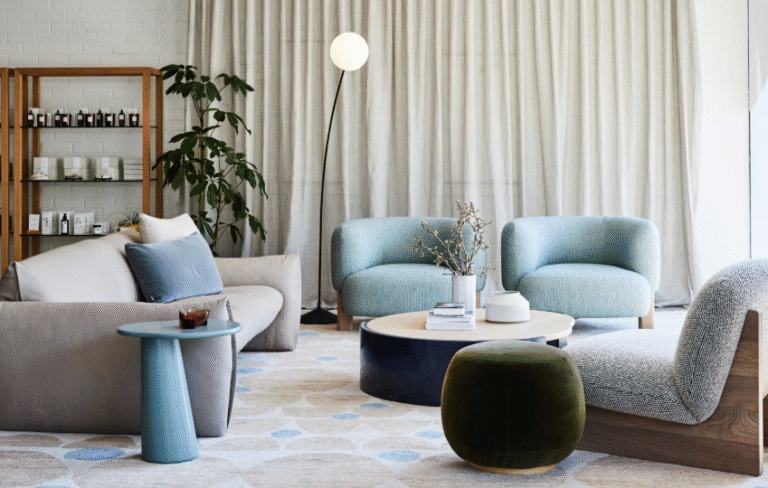
The tactile and visual qualities of a space communicate volumes. Rich, warm colour palettes—soft neutrals accented with jewel tones, natural wood finishes, high-quality fabrics—create an environment that feels refined rather than clinical. These choices also serve a therapeutic function: familiar textures, natural materials, and warm colours can be grounding and comforting for someone experiencing cognitive confusion.
Quality matters here too. Genuine leather, natural fabrics, solid wood furniture—these materials not only age beautifully, they communicate care and value. For someone living with dementia, touching a fine linen curtain or sinking into a quality armchair can be a moment of genuine comfort and connection to beauty.
Sensory Engagement and Reminiscence
Integrating reminiscence therapy into design considerations can offer therapeutic benefits by incorporating familiar elements, such as objects, images, and sensory cues, to evoke positive memories and stimulate cognitive engagement.
This might mean carefully selected artwork that sparks conversation and memory, vintage objects that resonate with residents’ life experiences, or design elements that echo the aesthetics of beloved eras.
The integration of scents, sounds, and tactile features enriches the sensory experience for individuals with dementia.
A luxury care home might incorporate subtle ambient scents (perhaps a hint of lavender or fresh flowers), carefully curated soundscapes, and varied textures throughout spaces—all chosen to create a multisensory environment that’s both therapeutic and refined.
Wayfinding and Spatial Clarity
One of the greatest sources of anxiety for people with dementia is spatial disorientation. But wayfinding doesn’t have to be institutional. Elegant signage, thoughtful use of colour and material changes, distinctive artwork in different zones, and clear sightlines all help residents navigate their environment with confidence.
A luxury approach to wayfinding incorporates these elements seamlessly into beautiful design. Rather than relying on obvious labels or colour-coding, a sophisticated interior might use subtle shifts in lighting, flooring materials, or artwork to create distinct zones—each beautiful in its own right, each helping residents understand where they are and how to move through the space.
The Role of Residential Spaces and Private Rooms
Research consistently shows that private, personalisable spaces are crucial for dignity, autonomy, and wellbeing in care settings. All-private room long-term care residential units are generally safer and provide greater privacy and personal autonomy to residents.
In a luxury dementia care home, private bedrooms become personal sanctuaries. Spacious, beautifully appointed rooms with en-suite bathrooms, quality furnishings, and space for personal belongings allow residents to maintain their identity and sense of self. The ability to display cherished photographs, artwork, or mementos creates continuity with their life before care—a powerful psychological anchor.
Bathrooms deserve particular attention. Safety and accessibility features are paramount, necessitating the incorporation of ergonomic furniture, non-slip flooring, and barrier-free design principles to prevent falls and promote independence.
But these safety measures need not compromise luxury. A beautifully designed, accessible bathroom with elegant fixtures, quality materials, and soft lighting can feel like a spa rather than a medical facility—transforming a necessary daily activity into a moment of self-care and comfort.
Communal Spaces That Encourage Connection
While private spaces are essential, communal areas are equally important. These are the spaces where residents gather, where families visit, where life happens. In a luxury care home, communal spaces should be as thoughtfully designed as any high-end hotel or residential interior.
Drawing rooms with comfortable seating, beautiful artwork, and ambient lighting invite residents and visitors to linger. Dining rooms that feel more like sophisticated restaurants than institutional cafeterias encourage social connection and make mealtimes an experience rather than a task. Libraries, screening rooms, and activity spaces offer varied environments for different interests and abilities.
These spaces should feel abundant—not cramped or institutional. High ceilings, good proportions, natural light, and quality furnishings all contribute to an atmosphere of generosity and care. For someone living with dementia, being in a beautiful, spacious, well-lit room with comfortable seating and welcoming aesthetics can significantly reduce anxiety and agitation.
Gardens and Outdoor Spaces
Gardens and outdoor spaces offer sensory stimulation, encourage physical activity, and foster social engagement.
In a luxury care home, gardens should be as carefully designed as interior spaces—beautiful destinations in their own right, not afterthoughts.
There is a general agreement on the importance of incorporating dementia-friendly environment (DFE) principles into garden designs within care settings. These principles highlight elements such as orientation, accessibility, socialization opportunities, stimulating activities, sensory engagement, triggers for reminiscence, safety protocols, and sustainable practices. Adhering to DFE guidelines has the potential to amplify the therapeutic value of outdoor spaces for individuals with dementia, promoting a tranquil, interactive, and meaningful outdoor experience.
A well-designed garden might feature varied planting for sensory interest, seating areas with different exposures and views, accessible paths that encourage gentle wandering, and spaces that evoke memory or invite reflection. The combination of natural beauty, sensory richness, and therapeutic design creates an outdoor environment that’s both restorative and engaging.
The Message Design Sends
Ultimately, the interiors of a care home communicate a message about how we value the people living there. Institutional design—however functional—sends a message of efficiency and standardisation. Luxurious, thoughtfully designed spaces send a different message entirely: that residents are valued, that their dignity matters, that they deserve beauty and comfort in their daily lives.
For families visiting a loved one with dementia, the quality of the environment provides reassurance. A beautiful, well-appointed care home suggests that their loved one is in a place where people care deeply about their wellbeing. For residents themselves, living in a space of genuine beauty and comfort can profoundly affect their emotional state, their sense of self, and their overall quality of life.
Purposeful design informed by cutting-edge dementia care research can turn spaces into therapeutic environments tailored to the specific requirements of this vulnerable group. This architectural approach represents an invaluable complementary tool to medical and therapeutic interventions for dementia treatment and care.
The Future of Dementia Care Design
The intersection of luxury design and dementia care represents an evolution in how we think about long-term care. It’s no longer acceptable—or necessary—to choose between beauty and function, between elegance and accessibility, between clinical excellence and emotional warmth.
The most progressive care homes are those that refuse this false choice. They invest in design that’s simultaneously beautiful and therapeutic, luxurious and accessible, sophisticated and deeply human. They understand that the spaces we inhabit shape our experience of life, and that for someone living with dementia, a thoughtfully designed environment can be as important as any medication.
Creating Spaces of Dignity and Beauty
If you’re seeking dementia care for a loved one, the physical environment should be part of your evaluation. Look beyond the clinical credentials (though those matter too) and ask yourself: Is this a space I would want to live in? Does it feel like a place where people are valued? Are the residents’ dignity and comfort reflected in the design?
When exploring care homes in London, consider whether the environments reflect a genuine commitment to beauty, comfort, and therapeutic design. The best care homes understand that dementia care is about far more than medical management—it’s about creating spaces where people can continue to live with dignity, comfort, and joy.
Design as an Act of Care
In the end, thoughtful interior design in a dementia care home is an act of care. It’s a way of saying, “You matter. Your comfort matters. Your sense of beauty and dignity matters.” When we create luxurious, therapeutic spaces for people living with dementia, we’re not indulging them. We’re honouring them. We’re acknowledging their fundamental right to live in beauty, comfort, and dignity—regardless of their cognitive abilities.
The future of dementia care is one where luxury and clinical excellence walk hand in hand, where therapeutic design is considered as essential as nursing care, and where the spaces we create for our loved ones reflect the deep care and respect they deserve.