What Makes a Commercial Interior Design Firm Worth Hiring?

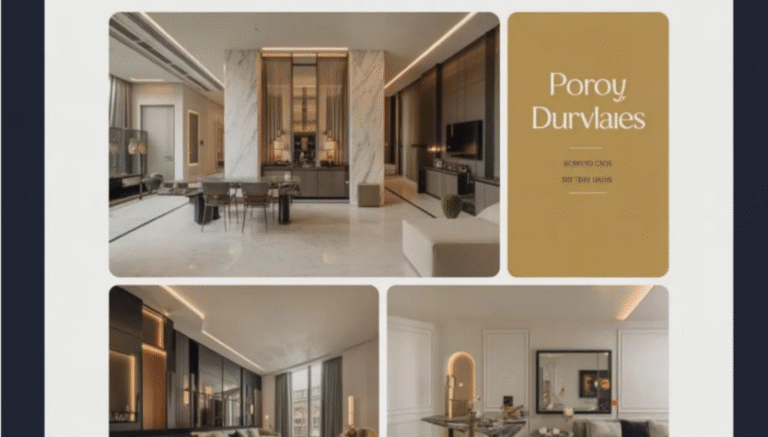
Luxury in a commercial space is not simply about expensive furniture, polished stone or dramatic lighting. The most successful interiors feel considered from the moment someone enters. Every material, sightline, texture and transition has a purpose.
For restaurants, offices, hotels, showrooms and retail environments, interior design must achieve more than visual appeal. It should support the way people move, work, dine, shop and interact with a brand. The right design can make a business feel more credible, memorable and comfortable while creating an environment that remains practical day after day.
Luxury starts with clarity
Before selecting finishes or creating mood boards, a commercial project needs a clear direction.
The design team should understand the purpose of the space, the target audience, the customer journey and the commercial objectives behind the project. A restaurant may need to create atmosphere while supporting efficient service. An office may need to balance privacy, collaboration and a strong corporate identity. A showroom must present products clearly without allowing the surroundings to compete for attention.
When the purpose is clear, design decisions become more focused. Instead of adding decoration for its own sake, every choice contributes to the experience.
Turn brand identity into a physical experience
A strong commercial interior should feel connected to the organisation behind it.
Brand identity is not limited to a logo or colour palette. It can be expressed through the proportions of a room, the choice of materials, the rhythm of lighting, the shape of furniture and the way visitors are guided through the space.
A refined hospitality environment might use warm timber, soft lighting and tactile fabrics to create a sense of comfort. A technology company may prefer cleaner lines, flexible layouts and carefully integrated digital features. A premium retail space might use contrast, symmetry and controlled lighting to make products feel more distinctive.
The goal is not to make every part of the interior look identical to the brand. The goal is to translate the brand’s personality into an environment people can experience.
Design the journey, not just the room
People rarely experience a commercial interior from a single viewpoint. They move through it.
A customer may first see the entrance from the street, pause at reception, follow a particular route and then focus on a product, table or service counter. Employees may move between workstations, meeting rooms, storage areas and shared facilities throughout the day.
Good planning considers these journeys before the decorative details are finalised. Entrances should feel welcoming and easy to understand. Key features should be visible without making the space feel crowded. Circulation routes should feel natural, while quieter zones should be protected from unnecessary movement and noise.
This type of planning makes the interior feel effortless. Visitors may not notice every decision, but they will notice when a space feels comfortable and intuitive.
Use premium materials where they have the greatest impact
Luxury does not require every surface to be extravagant. It requires materials to be selected intelligently.
High-quality finishes are most effective when they are used in areas people see, touch and remember. A reception desk, feature wall, staircase, dining counter or washroom entrance may deserve more attention than a concealed service area.
Material combinations also matter. Stone can be softened with timber. Metal can add precision without making a space feel cold. Glass can improve light and openness, while fabric and textured surfaces can introduce warmth and acoustic comfort.
Durability should remain part of the conversation. A material may look beautiful in a sample but perform poorly under heavy footfall, frequent cleaning or changing environmental conditions. The best commercial interiors combine visual quality with sensible long-term performance.
Design for changing business needs
Commercial spaces rarely remain static. Businesses grow, teams change and customer expectations evolve.
A flexible interior can accommodate these changes without requiring a complete redesign. Moveable furniture, adaptable lighting, modular partitions and multi-purpose rooms can give a space more useful life. In an office, this may mean creating areas that support both focused work and informal collaboration. In hospitality, it may involve layouts that can adapt between daily service, private events and seasonal campaigns.
Flexibility does not mean the design should feel temporary. With careful planning, adaptable spaces can still look highly resolved and premium.
Why the design partner matters
Commercial interior design involves much more than producing attractive images. It requires coordination between strategy, spatial planning, materials, budgets, contractors, suppliers and project timelines.
Working with a commercial interior design can help businesses connect the original idea with the practical realities of delivery. The right partner should be able to understand the commercial objective, develop a clear design direction and maintain consistency as the project moves from concept to completion.
This is especially important when the space needs to communicate a clear brand position. A beautiful concept can lose its impact if the layout is impractical, the materials are unsuitable or important details are compromised during construction.
See also: Business Financial Leadership for Global Growth 3791290974
A better definition of luxury
The most successful commercial interiors do not rely on excess. They create a sense of confidence through proportion, detail, comfort and purpose.
Luxury can be found in a perfectly planned entrance, a well-lit display, a quiet meeting room, a comfortable chair or a material that continues to look beautiful after years of use. It comes from making thoughtful decisions at every stage of the project.
When aesthetics and business needs work together, the interior becomes more than a backdrop. It becomes part of the customer experience, part of the company culture and part of the value that the business offers.