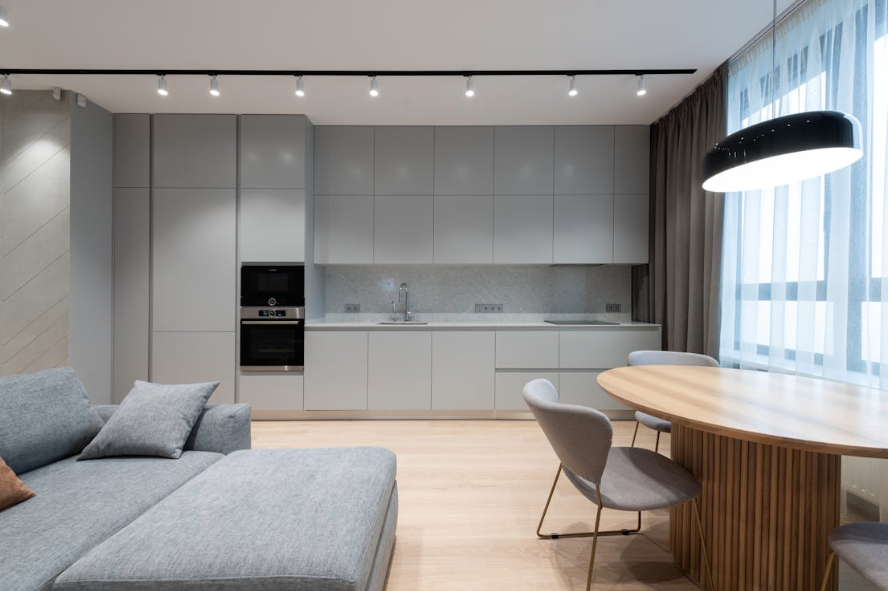
Handleless Perfection: Modern German Kitchen Design Ideas with Clean Lines

In today’s design landscape, kitchens have evolved into highly functional, visually refined spaces that reflect both lifestyle and architectural intent. Among global influences, German kitchen design ideas stand out for their precision, minimalism, and enduring quality. Rooted in engineering excellence and a deep respect for functionality, modern German kitchens embrace clean lines, seamless finishes, and a clutter-free aesthetic.
For interior designers working on high-end residential or large-scale projects, understanding the principles behind handleless German kitchens can unlock new possibilities for both form and function. This article explores how to incorporate these ideas into your designs while maintaining flexibility for diverse client needs.
The Core Philosophy Behind German Kitchen Design
German kitchens are guided by a few essential principles: efficiency, simplicity, and durability. Every element serves a purpose. There is no unnecessary ornamentation, no visual noise. Instead, the focus is on streamlined surfaces, intelligent storage, and ergonomic layouts.
Handleless kitchens, in particular, represent the peak of this philosophy. By removing visible hardware, designers create uninterrupted lines that enhance spatial clarity. This approach aligns perfectly with contemporary modern kitchen designs, where visual calm and architectural coherence are key.
See also: Top Benefits of Working with a Trusted Home Builder
Why Handleless Design Works
Handleless kitchens are not just about aesthetics. They offer several practical advantages that make them highly appealing for both designers and clients.
1. Seamless Visual Flow
Without protruding handles, cabinetry becomes part of the architectural envelope. This is especially valuable in open-plan spaces where the kitchen must blend seamlessly with living and dining areas.
2. Enhanced Safety
In family homes or compact spaces, handleless systems reduce the risk of bumps and injuries, making them a safer option without compromising style.
3. Easy Maintenance
Flat surfaces are easier to clean and maintain. This is a crucial consideration for clients who prioritize hygiene and low upkeep.
4. Modern Appeal
Handleless kitchens instantly communicate a contemporary, high-end aesthetic, making them a preferred choice in luxury developments and modern residences.
Key Features of Modern German Handleless Kitchens
To successfully implement German kitchen design ideas, it is essential to understand the defining features that set them apart.
Precision Engineering
German kitchens are known for their exceptional build quality. Soft-close mechanisms, push-to-open systems, and integrated channels are engineered for long-term performance. When specifying a German kitchen cabinet, designers should prioritize systems that ensure durability and smooth operation.
Integrated Profiles and Gola Systems
Instead of traditional handles, handleless kitchens often use recessed channels or Gola profiles. These allow users to open cabinets effortlessly while maintaining a sleek exterior.
These profiles can be customized in finishes such as brushed aluminum, matte black, or even color-matched tones to complement the cabinetry.
Minimalist Material Palette
German kitchens typically favor restrained material selections:
- Matte lacquer finishes
- High-pressure laminates
- Natural wood veneers
- Glass and metal accents
The goal is to create harmony through consistency rather than contrast.
Intelligent Storage Solutions
Functionality is at the heart of German design. Expect to see:
- Pull-out pantry systems
- Corner optimization units
- Hidden compartments
- Drawer organizers with precision inserts
These features maximize usability without disrupting the clean aesthetic.
Color Trends in German Kitchen Design
Color plays a crucial role in reinforcing the minimalist approach.
Neutral Foundations
White, grey, taupe, and black dominate modern German kitchens. These tones create a timeless base that can adapt to evolving trends.
Monochromatic Schemes
Using variations of a single color enhances the seamless effect. For example, pairing matte grey cabinetry with slightly darker countertops creates depth without visual clutter.
Subtle Contrasts
When contrast is used, it is intentional and controlled. A dark island against light cabinetry or a wood accent wall can add warmth without breaking the overall harmony.
Layout Strategies for Clean Lines
The layout of a kitchen significantly impacts how well the handleless concept is executed.
Linear Layouts
Straight-line kitchens emphasize simplicity and are ideal for smaller spaces or open-plan designs.
L-Shaped Configurations
These provide more workspace while maintaining clean sightlines, especially when upper cabinets are minimized or eliminated.
Island-Centric Designs
Kitchen islands are a hallmark of modern kitchen designs. In German kitchens, islands often feature handleless cabinetry on all sides, reinforcing the seamless look from every angle.
Lighting: The Invisible Enhancer
Lighting in German kitchens is subtle yet highly strategic.
- LED strips under cabinets provide functional illumination
- Integrated lighting within drawers enhances usability
- Pendant lights over islands add a focal point without overwhelming the design
The goal is to highlight the architecture without introducing visual clutter.
Appliances and Integration
A defining characteristic of German kitchen design is the integration of appliances.
- Built-in ovens and microwaves align flush with cabinetry
- Refrigerators are concealed behind cabinet panels
- Cooktops often feature downdraft ventilation systems
This approach ensures that appliances do not disrupt the clean lines of the kitchen.
Balancing Warmth and Minimalism
One common concern with minimalist kitchens is the risk of creating a space that feels too cold. German design addresses this through thoughtful material combinations.
- Wood veneers introduce natural warmth
- Textured finishes add subtle depth
- Soft lighting creates a welcoming ambiance
As a designer, layering these elements carefully can help achieve a balance between precision and comfort.
Customization for Diverse Projects
While German kitchens are often associated with a specific aesthetic, they are highly adaptable. Whether working on luxury residences, multi-unit developments, or commercial projects, designers can tailor these principles to suit different contexts.
Customization options include:
- Cabinet finishes and colors
- Storage configurations
- Hardware systems
- Integrated technology
This flexibility makes German kitchen design ideas suitable for a wide range of projects.
Sustainability and Longevity
Sustainability is increasingly important in modern design. German kitchens support this through:
- Durable materials that reduce the need for replacement
- Efficient manufacturing processes
- Timeless aesthetics that avoid trend-driven obsolescence
For clients seeking long-term value, this approach is a strong selling point.
Conclusion
Handleless kitchens represent the essence of modern German design: precise, functional, and visually refined. By focusing on clean lines, integrated solutions, and high-quality materials, interior designers can create spaces that are both beautiful and highly practical.
As demand for sophisticated, minimalist interiors continues to grow, mastering these principles will be essential for delivering projects that meet both aesthetic and functional expectations.
OPPOLIA offers turnkey whole-house solutions, covering everything from interior design to production and installation. With exports to over 100 countries and more than 10,000 completed projects, they bring extensive experience to large-scale developments.
If you are looking for a reliable partner for your next project, OPPOLIA is a strong choice. Learn more about OPPOLIA custom kitchen solutions and contact their team today for a free quote.