The Timeless Appeal of Antique Wood Fireplaces in Modern Homes

Introduction
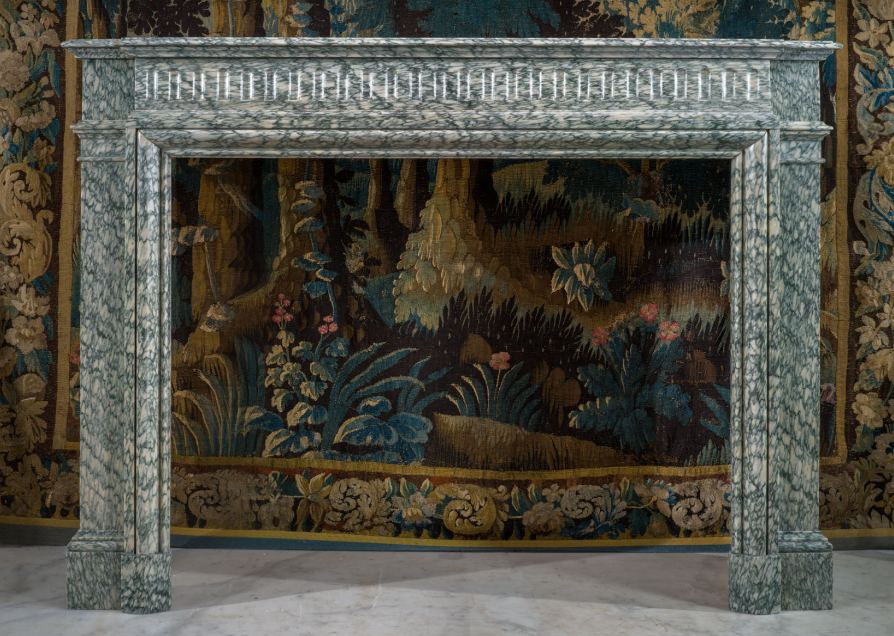
Antique wood fireplaces have long been cherished as symbols of warmth, craftsmanship, and tradition. In an era dominated by modern heating systems and sleek interior designs, these historic pieces continue to captivate homeowners, designers, and collectors alike. Their ability to blend aesthetic beauty with functional purpose makes them a unique addition to both classic and contemporary spaces. This article explores the enduring appeal of antique wood fireplaces, their historical significance, practical benefits, and how they can be incorporated into today’s homes.
The Historical Significance of Antique Fireplaces
The story of fireplaces dates back centuries, when they served as the primary source of heat and a central gathering point within homes. Early designs were simple and functional, but over time, they evolved into intricate architectural features that reflected the artistry and cultural values of their era.
Today, antique wood fireplaces are prized not only for their functionality but also for their historical value. Each piece carries a story—whether it originated in a Victorian townhouse, a rustic countryside cottage, or a colonial estate. These fireplaces often showcase hand-carved details, unique wood grains, and design elements that are difficult to replicate with modern manufacturing techniques.
Owning an antique fireplace is like preserving a piece of history, offering a tangible connection to the craftsmanship and lifestyle of the past.
Unique Craftsmanship and Materials
One of the most compelling reasons to invest in an antique wood fireplace is the exceptional craftsmanship involved in its creation. Unlike mass-produced items, antique fireplaces were typically handcrafted by skilled artisans who paid close attention to detail.
The wood used in these fireplaces is often of higher quality than what is commonly available today. Hardwoods such as oak, mahogany, and walnut were frequently used, ensuring durability and longevity. Over time, these materials develop a rich patina that enhances their visual appeal.
Additionally, the intricate carvings, moldings, and decorative elements found in antique fireplaces add character and elegance to any space. These features make each fireplace a one-of-a-kind centerpiece that cannot be easily duplicated.
Aesthetic Value in Interior Design
Antique wood fireplaces have the remarkable ability to elevate the aesthetic of any room. Whether placed in a traditional living room or a modern minimalist setting, they serve as a focal point that draws attention and admiration.
In contemporary interiors, antique fireplaces create a striking contrast against clean lines and neutral color palettes. This juxtaposition adds depth and visual interest, making the space feel more dynamic and inviting.
Interior designers often use antique fireplaces to anchor a room’s design, building the surrounding décor around their unique style. From vintage-inspired themes to eclectic combinations, these fireplaces offer endless possibilities for creative expression.
Functional Benefits and Heating Efficiency
While antique fireplaces are often appreciated for their beauty, they also offer practical advantages. Properly restored and maintained, they can provide effective heating, especially in smaller spaces or as a supplementary heat source.
Incorporating antique wood fireplaces into your home can also enhance energy efficiency when used strategically. For example, using a fireplace in frequently occupied rooms can reduce reliance on central heating systems, potentially lowering energy costs.
Modern adaptations, such as fireplace inserts, can further improve efficiency while preserving the original appearance. These upgrades make it possible to enjoy the charm of an antique fireplace without sacrificing modern convenience.
Restoration and Maintenance Considerations
Before installing an antique wood fireplace, it is important to consider restoration and maintenance requirements. Over time, wood can experience wear, damage, or structural issues that need to be addressed.
Professional restoration is often recommended to ensure that the fireplace is both safe and functional. This may include repairing cracks, reinforcing structural components, and refinishing the wood to restore its original beauty.
Regular maintenance is also essential. Cleaning, polishing, and periodic inspections can help preserve the fireplace’s condition and prevent potential issues. By investing in proper care, homeowners can ensure that their antique fireplace remains a cherished feature for years to come.
Incorporating Antique Fireplaces into Modern Homes
Integrating an antique wood fireplace into a modern home requires thoughtful planning and design. One approach is to maintain the fireplace as a standalone statement piece, allowing its historical charm to shine.
Alternatively, homeowners can blend the fireplace seamlessly into a contemporary setting by pairing it with modern furniture and décor. This combination creates a balanced look that highlights both old and new elements.
It is also important to consider placement and scale. Ensuring that the fireplace complements the room’s proportions and layout will enhance its overall impact. With careful consideration, an antique fireplace can become a harmonious and functional part of any modern home.
Conclusion
Antique wood fireplaces offer a unique blend of history, craftsmanship, and functionality that is difficult to replicate with modern alternatives. Their timeless appeal lies in their ability to tell a story while enhancing the beauty and comfort of a living space.
From their rich historical significance to their role in contemporary interior design, these fireplaces continue to hold a special place in the hearts of homeowners and designers alike. By understanding their value and investing in proper restoration and maintenance, it is possible to enjoy the warmth and elegance of an antique wood fireplace for generations to come.