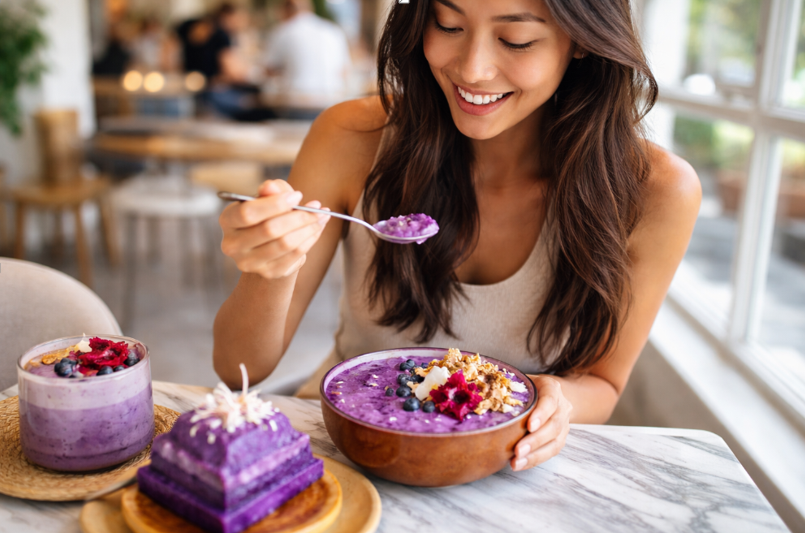
Ube: the new star of superfoods

With its vibrant purple colour and naturally sweet flavour, ube is captivating the taste buds of health-conscious eaters around the globe. But it’s not just its Instagram-worthy appearance that makes it stand out. This humble root, long cherished in Filipino cuisine, is now finding its place in modern wellness routines, trendy cafes, and even skincare discussions. From traditional desserts to protein smoothies, ube’s appeal spans both the cultural and the nutritional. If you’re curious about what makes ube so unique and whether it deserves its title as a “superfood”, this article offers an in-depth look at its origins, uses, and rising popularity. Let’s dig into the purple phenomenon sweeping the wellness world.
What is ube and why is it trending?
Often mistaken for taro or even purple sweet potato, ube is a type of purple yam native to the Philippines. Its growing reputation as a superfood is not just based on looks it’s packed with fibre, antioxidants, and micronutrients that promote overall wellness. In recent years, ube has made a splash across cafés and food blogs, showing up in everything from lattes to cheesecakes. This vivid tuber isn’t just for show. Its appeal lies in its sweet, nutty flavour that blends naturally into both sweet and savoury recipes. That’s why you’ll find ube-flavoured doughnuts alongside vegan curry bowls. With the wellness world’s increasing focus on nutrient-dense, naturally coloured foods, ube has stepped into the spotlight and it’s not going anywhere.
Unlike processed superfoods marketed with buzzwords, ube has cultural roots, quite literally. It’s a staple in Filipino households, where it’s used in desserts like “halaya” and “ube cake”. The shift toward plant-based diets has given it fresh relevance, turning this traditional ingredient into a modern-day hero of the health aisle. Just like turmeric had its golden era, ube is enjoying its purple reign.
Health properties of ube: Is it truly a superfood?
The label “superfood” often gets tossed around carelessly, but in the case of ube, there’s good reason behind the hype. Rich in complex carbohydrates, vitamin C, and anthocyanins the compounds responsible for its colour and antioxidant potential ube offers both aesthetic and nutritional value. Those anthocyanins play a key role in fighting oxidative stress. The same pigment found in blueberries and red cabbage, they’re associated with heart health and brain protection. Fibre in ube contributes to digestion and satiety, making it popular in recipes for gut health and weight management.
What’s more, unlike heavily processed health powders, fresh ube or its powdered form retains much of its nutritional profile when cooked properly. And with consumers becoming more label-conscious, that natural vibrance stands as a sign of purity, not artificial dyes.
How does ube compare to other purple tubers?
Ube vs taro: Ube is sweeter and higher in antioxidants. Ube vs purple sweet potato: Ube is creamier and more neutral in starch. Ube doesn’t spike blood sugar the way refined starches do, making it attractive to those managing their glycemic index. For people exploring vegan recipes with ube, its versatility also means fewer processed additives and more whole-food goodness.
How to cook and use ube at home?
Whether you’ve picked up a raw root, ube powder, or frozen purée, the possibilities are rich. Ube can be boiled, mashed, roasted, or incorporated into batters and creams. Its naturally sweet taste means less added sugar is needed when baking ideal for health-conscious cooks.
You’ll find ube in a variety of modern dishes:
- smoothie bowls
- mochi
- cupcakes
- protein pancakes
- overnight oats
- homemade ice creams
When using ube powder for smoothies, a spoonful adds not only colour but fibre and depth. It pairs well with coconut, vanilla, or even matcha, creating layered flavour profiles with no need for artificial ingredients.
Tips for cooking with ube
Pick the right format
Ube purée is ideal for baking, while powder works better in beverages and quick mixes. If you’re using raw ube, always peel and boil it first — the skin can be bitter, and raw consumption is not recommended.
Balance the sweetness
Because ube is already naturally sweet, adjust the sugar in recipes. Ube halaya (a jam-like dessert) uses condensed milk and butter, but lighter, vegan versions exist using coconut cream and stevia.
Where can you buy ube in the UK? Demand has spiked in urban areas where health food trends spread quickly. Places like London, Manchester, and Birmingham now stock ube in various forms at Asian supermarkets or health food stores. Online platforms offer greater reach many sell ube root, purée, and baking mixes.
For first-timers, start with a small quantity of purée or powder before experimenting. Local Filipino grocers often have the most authentic options, and you might even find traditional Filipino ube recipes on product labels. If you’re searching where to buy ube in London or trying to compare purple yam vs sweet potato for your cooking plans, more resources are available today than ever before. Ube isn’t just a niche ingredient anymore it’s becoming part of the mainstream.
See also: Understanding Single Storey Kitchen Extensions and Sustainable Renovation Costs in London
Is ube only for eating? The rise of ube in skincare
Here’s where the purple surprise continues: ube’s antioxidant content has recently attracted attention from beauty brands. Similar to how matcha and turmeric found their way into serums and masks, ube is being trialled for topical applications. Early formulas claim to use ube in skincare products for its anti-ageing properties, thanks to its high levels of vitamin C and anthocyanins. While evidence remains limited, the potential is there. For those seeking natural skincare solutions with fewer synthetic dyes or perfumes, it could offer a colourful new option. It wouldn’t be the first time a natural food colourant crossed over into the beauty world. What was once served on your plate may soon appear on your vanity shelf.
Why ube is more than a trend
Ube has quickly gone from local delicacy to global wellness icon. Its success isn’t driven by hype alone, but by genuine nutritional benefits, visual appeal, and cultural significance. Whether added to breakfast bowls or skincare routines, ube represents a growing appetite for colourful, natural, and authentic ingredients. This purple root has earned its place among modern superfoods not just because it’s pretty, but because it delivers. So if you’re still on the fence, give it a go. It might just add a little magic (and colour) to your daily routine.