How to Improve Property Identification Without Replacing Your House Numbers

Introduction
Property identification begins at the street. Before a visitor reaches the front door, before a delivery driver steps out of the vehicle, and before a service provider checks the driveway, the address must do its job. House numbers are often treated as a fixed detail, but their performance depends on more than the numbers themselves. A set of numbers can be attractive, durable, and properly installed, yet still fail if it is placed where people cannot see it quickly.
Improving visibility does not always require buying new house numbers. In many cases, homeowners can make the existing display work better by adjusting placement, clearing sightlines, increasing contrast, improving lighting, or adding a secondary point of identification near the mailbox or driveway. The goal is to make the address easier to recognize from the direction people actually approach the home. When the display becomes easier to find, the entire property becomes more functional.
Why Existing House Numbers Often Underperform
Many address displays underperform because they were installed for close-up appearance rather than street-level visibility. Numbers beside a front door may look balanced from the porch, but they can disappear from the road if the entry is recessed, shadowed, or hidden behind columns. Numbers mounted on brick or stone may look refined in daylight but become difficult to read when the background is busy or low contrast. Even a stylish display can become a wallflower if the viewing angle is wrong.
Another issue is that homes change over time. Landscaping grows, exterior paint colors shift, porch décor expands, and parked vehicles alter sightlines. A display that worked well five years ago may no longer be effective today. Homeowners should treat address visibility as an ongoing part of exterior maintenance rather than a one-time installation decision.
See also: Bespoke Dining Tables That Bring Warmth, Elegance, and Craftsmanship Together
What Is the Best Way to Decide Where Address Numbers Belong?
Many homeowners assume that address visibility depends primarily on the size or style of their house numbers. While those factors influence readability, the location of the display often has a greater effect on whether visitors, delivery drivers, and emergency responders can identify a property quickly. Homeowners searching for guidance on where to put address numbers should begin by evaluating visibility from the street rather than focusing solely on the appearance of the numbers themselves.
An effective address display remains visible from the direction people approach the property. That visibility requires clear sightlines, sufficient contrast, and a mounting location that avoids obstructions such as trees, shrubs, vehicles, decorative features, or architectural projections. A number display that disappears behind landscaping provides little value even when the numbers are large and easy to read at close range.
Placement also affects recognition speed. Drivers often make identification decisions while moving, which means address information must appear in a predictable and highly visible location. Positioning numbers on a street-facing surface near the primary entrance, mailbox, or another prominent exterior feature helps create a reliable visual reference point. Consistency makes the address easier to locate under different conditions and from varying angles.
The most successful address systems combine visibility, accessibility, and readability. When homeowners prioritize sightlines and recognition distance during installation, they improve navigation for guests, service providers, and emergency personnel alike. Proper positioning allows existing house numbers to perform more effectively and strengthens overall property identification without requiring a complete replacement.
Evaluate the Address From the Road, Not the Porch
The simplest way to improve property identification is to look at the home from a visitor’s perspective. Stand across the street, approach from both driving directions, and notice how quickly the address becomes visible. If the numbers are hard to find within a few seconds, the display may need a better location or stronger support from lighting and contrast.
This kind of evaluation is similar to the way architects and designers consider how a property is experienced from multiple viewpoints. A home’s exterior is not judged only from the front step. It is read from the road, the driveway, the walkway, and the entry. That broader design perspective appears in discussions of distinctive home design and property planning, where placement, proportion, and visual flow all influence how a residence feels. Address visibility benefits from the same thinking: the detail should work within the whole exterior composition.
Check Both Directions of Approach
A number display may be clear from one direction and hidden from another. Curved roads, angled driveways, parked vehicles, porch columns, and mature trees can all affect visibility. Homeowners should check the address from the left and right approach paths. If one side fails, the solution may be as simple as moving the display slightly, trimming plants, or adding a secondary marker near the curb.
Improve Contrast Before Replacing the Numbers
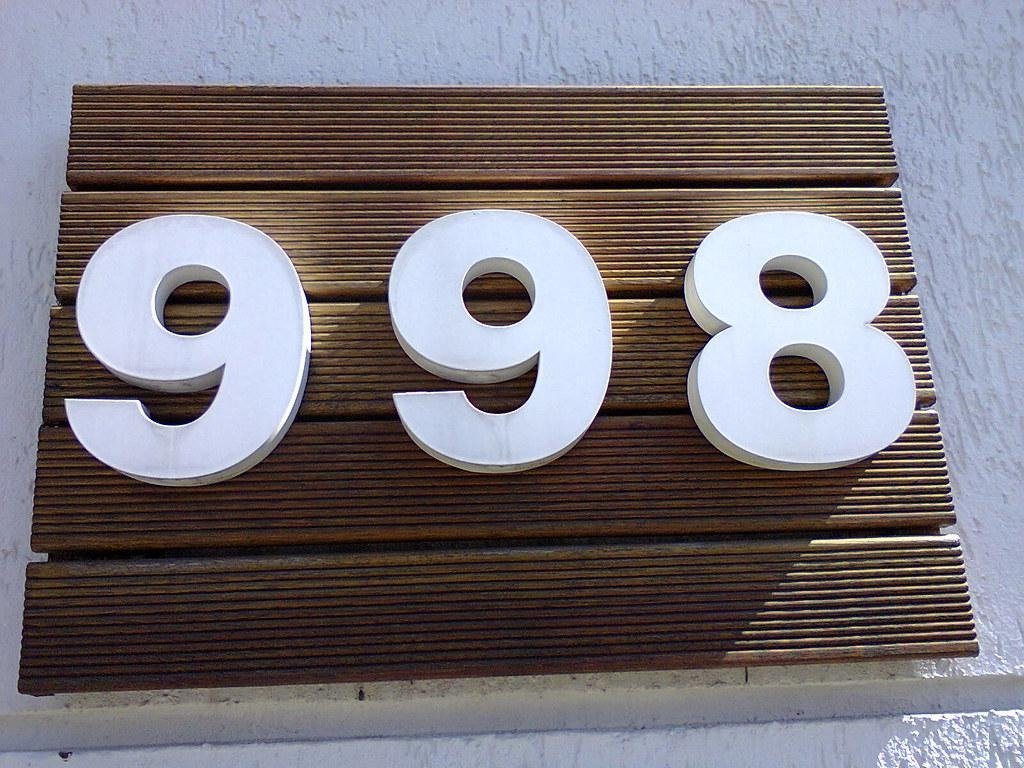
Low contrast is one of the easiest visibility problems to fix. If house numbers blend into the background, people must slow down and study the surface to find them. Dark numbers on dark siding, silver numbers on pale stone, or narrow characters on patterned brick can all reduce readability. Before replacing the numbers, homeowners can consider changing the background, adding a mounting panel, repainting the area, or adjusting nearby lighting.
Contrast should look intentional, not harsh. A defined background behind existing numbers can make them clearer while preserving the style of the exterior. Even a subtle shift in tone can help the address stand apart from siding, stucco, brick, or stone. The display should feel like part of the home, but it should not vanish into the façade like a secret code carved for squirrels.
Use Mailbox and Curbside Features as Secondary Markers
If the home sits far from the street or the front elevation is difficult to see, the mailbox can become an important secondary address marker. A clear mailbox display helps visitors and drivers confirm the property before reaching the driveway. This is especially useful for homes with deep setbacks, heavy landscaping, long paths, or shared-looking façades.
Mailboxes can also support curb appeal when they are selected and maintained with care. Homeowners looking for exterior inspiration can review sleek mailbox designs for curbside appeal to see how practical address features can still feel polished. A mailbox does not need to compete with house-mounted numbers. It can reinforce them by repeating essential information in a location closer to the street.
Keep the Mailbox Area Clear
A mailbox number is only useful if it remains visible. Tall flowers, ornamental grasses, vines, decorations, and dirt can block or reduce readability. The mailbox area should be attractive but controlled. Plants should frame the display rather than cover it, and seasonal décor should stay away from the numbers. A clear curbside marker can make a major difference for delivery drivers and guests.
Improve Lighting Around the Existing Display
Address visibility often changes after sunset. A display that works during the day may be unreadable at night if it sits outside the reach of porch lighting. Homeowners should check the address after dark from the street. If the numbers fade into shadow, a small lighting adjustment may solve the problem without replacing the display.
Lighting should illuminate the address itself, not just the doorway. A wall light, downlight, or low landscape fixture can help when positioned correctly. The light should improve readability without creating glare. Warm, controlled lighting can make the entry safer, more welcoming, and easier to navigate while supporting the existing address display.
Brand Section: Making Existing Numbers Work Harder
House numbers do not need to be replaced every time visibility becomes a concern. Often, the better solution is to improve the conditions around them. Better placement, clearer sightlines, stronger contrast, and proper lighting can help existing numbers become more effective. When the address is easy to locate from the street, the home becomes more accessible and organized.
Modern address planning is about balancing function and appearance. A display should support the architecture while remaining readable for people approaching the property. The best results come from treating address identification as part of the exterior design system rather than an isolated detail. When homeowners make the address visible, consistent, and easy to understand, they improve both curb appeal and everyday usability.
Maintain Visibility Over Time
After improving placement or visibility, homeowners should revisit the address area regularly. Trim plants, clean surfaces, check lighting, and remove objects that block the display. A few minutes of maintenance can prevent gradual visibility problems from returning. Address identification is a small detail, but it works best when kept clear and readable throughout the year.
Seasonal changes deserve special attention. Summer growth, winter decorations, parked vehicles, rain, dust, and faded finishes can all affect recognition. Looking at the property from the road every few months helps homeowners catch problems early. If the address remains easy to find in different conditions, the display is doing its job well.
Conclusion
Improving property identification does not always require new house numbers. Often, the strongest results come from better placement, clearer sightlines, stronger contrast, improved lighting, and careful maintenance. Existing numbers can become far more effective when they are positioned where people naturally look and supported by the surrounding exterior design.
A visible address helps visitors arrive with confidence, supports smoother deliveries, and gives emergency responders a clearer way to identify the property. By evaluating the home from the street and making practical adjustments, homeowners can strengthen address recognition while preserving the style of the exterior. The result is a home that is easier to find, easier to navigate, and more complete from the curb.