Real Moroccan Design: Why You Need to Slow Down to See It

I’ve always felt that Morocco is one of those places that just pulls you in. It’s not just about the colors, though they are amazing. It’s more about the feeling of the history under your feet. Every wall and every floor in this country seems to have some kind of secret story behind it. From the dusty red streets in Marrakech to those bright, salt-washed blue houses in the north, the whole place feels like one giant, living craft project.
But here’s the thing I’ve learned: you can’t actually “see” Morocco if you’re in a hurry. If you just rush through on a weekend, you’re only scratching the surface. You’re just looking at pretty patterns without knowing where they came from. To really get why a door is carved that way or why a courtyard feels so cool when it’s 40 degrees outside, you have to take your time. This is exactly why those well-planned Morocco Itineraries: Discover the Best Multi-Day Tours make so much sense. They give the architecture room to breathe, and they give you time to actually notice the small things.
The Hidden World of the Riad
In Morocco, luxury is actually pretty shy. It doesn’t shout at you from the street. Most Riads—those old courtyard houses—look like nothing but plain, dusty mud walls from the outside. It’s a cultural thing, I guess. It’s about keeping your private life private and staying modest in public.
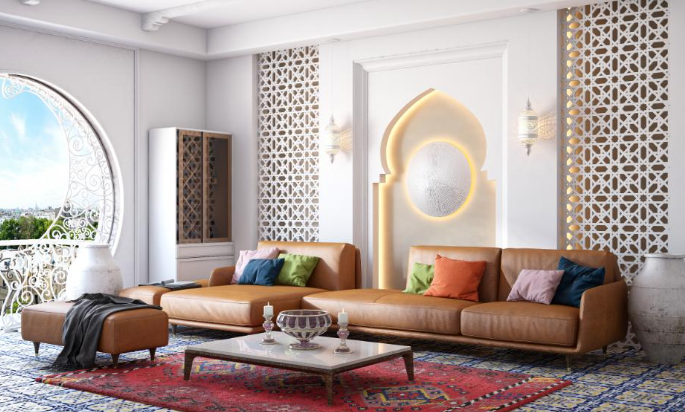
But once you push open one of those heavy wooden doors, everything changes. You go from a loud, crowded alleyway into this quiet sanctuary with marble fountains and orange trees. The Zellige tilework on the floors is usually the first thing people notice, and for good reason—it’s stunning. But these houses aren’t just for show. Those thick walls and the water in the middle are like a natural AC system. Staying in a few different Riads is the only way to see how light and water are used to create a private world.
Getting Dusty in the High Atlas
When you leave the city and start heading up into the High Atlas Mountains, the whole design language shifts. All that polished marble from the city disappears. In its place, you get something much more grounded and “earthy.” It’s all stone, raw timber, and mud-bricks that look like they literally grew right out of the hill.
This is where the famous Berber rugs are born. And let me tell you, they aren’t just something to cover your floor. They’re more like woven diaries. Every little symbol or knot tells a story—maybe a wish for a good harvest or some old family legend. Seeing the weavers in a tiny village using pomegranate skins or indigo to dye their wool is a real eye-opener. It reminds you that real luxury is often more about the process and the texture than the actual price tag.
Sahara Minimalism and the Power of Light
The desert is a massive lesson in “less is more.” When you’re sitting in a luxury camp in the middle of the dunes, the decor is basically just canvas, leather, and wool. It’s a masterclass in minimalism. Honestly, you don’t need gold trim when you have the silence of the Sahara and a sunset that turns the whole world purple.
Inside the tents, it’s all about the layers—thick rugs over the sand and low leather ottomans to sit on. At night, when the traditional brass lanterns are lit, they throw these crazy geometric shadows all over the place. It just proves that with some good textiles and the right lighting, even a temporary tent can feel like a palace.
Fes: Where the Details Actually Start
If Marrakech is the showcase, then Fes is definitely the engine room. It’s the city of the “makers.” Walking through the medina there, you’ll see guys who have been doing the exact same craft for forty or fifty years.
People call it “Slow Design” now, but for them, it’s just life. I’ve watched craftsmen spend an entire week just hammering tiny holes into one single brass lamp. There are no machines in these workshops; it’s just hands, old tools, and a crazy amount of patience. You can actually see the little imperfections and the fingerprints on the finished pieces. That’s what makes them feel human and real, unlike the plastic stuff we usually buy.
Coastal Breathing Room
By the time you get to the coast—places like Essaouira—the design feels a lot lighter. Those tight, dark alleys from the inland cities open up into wide, breezy streets. The color palette changes too, becoming a very crisp white and cobalt blue.
It’s got a Mediterranean vibe that feels very modern and airy. It’s the perfect place to end a trip because it gives your brain a chance to process all the heavy textures you saw in the mountains. Sometimes, a white-washed wall and a blue door are really all the design you need to feel at peace.
See also: Top Benefits of Working with a Trusted Home Builder
Taking a Piece of it Home
One of the best perks of a longer itinerary is actually having the time to find something worth keeping. Instead of just grabbing a cheap souvenir from a tourist shop, you can find a hidden workshop and get something real.
Whether it’s a hand-knotted carpet or a piece of pottery, these things carry the energy of the place. Of course, trying to ship a heavy carved door or a massive rug back home can be a total nightmare. That’s why having a team like Tilila Travel handle the boring logistics is such a game-changer. It lets you focus on the art while they worry about how to get it to your front door.
Final Thoughts
Morocco is a lot like one of those hand-woven carpets. If you only look at one corner, you’re missing the whole pattern. A quick trip gives you a glimpse, but a multi-day journey gives you the full story. To really get under the skin of Moroccan design, you have to be willing to take the long way around. You’ll come home with way more than just photos; you’ll have a new perspective on what it means to build a beautiful life with your own hands.