The Role of Lighting, Cooling and Smarter Energy Choices

Introduction
A beautifully designed home should offer more than attractive furniture, carefully selected colours and expensive finishes. True comfort comes from the way every part of a property works together. Lighting should complement the interior, rooms should maintain comfortable temperatures, appliances should operate reliably and electrical systems should support everyday activities without unnecessary complications.
These details are sometimes overlooked during home renovations. People often spend considerable time choosing flooring, kitchen cabinets, wall finishes and decorative accessories, yet give less attention to the electrical infrastructure that makes the entire space functional.
As modern homes become increasingly dependent on technology, energy management is becoming another important part of residential design. Solar panels, battery storage, efficient lighting and smart monitoring systems can all contribute to a more adaptable living environment.
The most successful home improvement projects consider appearance, practicality and long-term performance together.
Comfort Begins With the Way a Home Functions
Interior design is often associated with visual presentation, but the experience of living in a property depends on many less visible factors.
A room may look impressive but become uncomfortable during hot weather. A beautifully renovated kitchen may lack sufficient power outlets for modern appliances. A carefully furnished living area might feel inconvenient because lighting has not been positioned properly.
These problems demonstrate why functional planning matters.
Before starting a renovation, homeowners should consider how each room will be used throughout the day. Kitchens require practical lighting and appropriately positioned electrical connections. Bedrooms benefit from comfortable temperatures and convenient access to charging points. Living rooms may need a combination of general illumination, accent lighting and entertainment connections.
Thinking about these requirements early can help prevent unnecessary changes after the decorative work has been completed.
See also: What Makes a Commercial Interior Design Firm Worth Hiring?
Lighting Can Transform the Character of an Interior
Lighting is one of the most effective ways to influence the atmosphere of a home.
A single overhead light may provide sufficient illumination, but it rarely creates the flexibility needed for different activities. Modern interior design increasingly combines several lighting types to make rooms more adaptable.
Ambient Lighting
Ambient lighting provides general illumination throughout a room. Ceiling fixtures, recessed downlights and other distributed lighting arrangements can create a consistent foundation.
The objective is to provide comfortable visibility without making the space feel excessively bright.
Task Lighting
Task lighting focuses on particular activities.
Kitchen preparation areas, reading corners, study desks and bathroom mirrors can all benefit from appropriately positioned lighting.
This reduces dependence on general illumination when a specific area requires greater visibility.
Accent Lighting
Accent lighting highlights selected architectural or decorative features.
It can draw attention to artwork, textured walls, shelving, architectural details and decorative objects.
When combined thoughtfully with ambient and task lighting, accent fixtures can give an interior greater depth and visual interest.
Electrical planning should account for these different requirements before walls and ceilings are finished. A qualified electrician can help determine suitable fixture positions, switching arrangements and electrical connections.
Why Temperature Control Is Just as Important as Interior Style
A well-designed interior should remain comfortable across different seasons.
Heating and cooling systems play an important role in achieving this, but their performance depends on several factors beyond the equipment itself.
Insulation, ventilation, window placement, direct sunlight and room layout can all influence indoor temperatures.
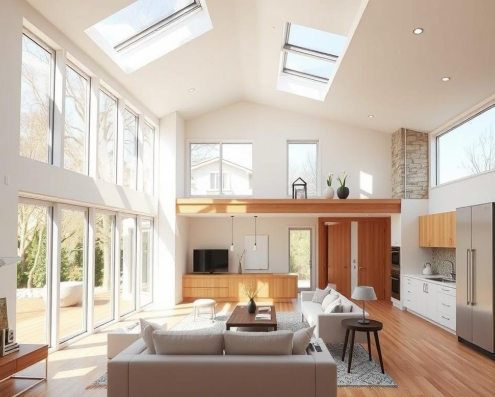
Large windows may create attractive natural-light conditions, for example, but they can also introduce substantial heat depending on their orientation and glazing.
Similarly, rooms with poor insulation may become difficult to cool during warmer periods or retain heat during colder weather.
Before replacing an air conditioning unit, homeowners should consider whether the building itself contributes to the problem.
Practical improvements may include addressing drafts, reviewing window coverings, maintaining appropriate ventilation and checking whether air vents are obstructed.
Regular maintenance is also important. Dirty filters, restricted airflow and neglected equipment can affect heating and cooling performance.
Persistent problems should be assessed by a qualified HVAC professional rather than addressed through guesswork.
Electrical Planning Makes Renovations More Successful
Electrical infrastructure should be considered an essential part of any substantial home improvement project.
Modern households use a wide range of electrical equipment, including televisions, computers, refrigerators, washing machines, air conditioners, kitchen appliances and security systems.
A renovation can introduce additional demand, particularly when homeowners install new appliances or convert previously unused rooms into functional living spaces.
This makes an assessment of the existing electrical system worthwhile before work begins.
Switchboards, wiring arrangements and protective equipment should be suitable for the proposed changes.
Older properties may require improvements to accommodate new appliances or additional circuits. In other situations, relatively minor adjustments may be sufficient.
Homeowners should also think about future requirements, such as electric vehicle charging, additional lighting or renewable energy installations.
For residents looking for an experienced electrician atherton, Smart Elec provides residential electrical services across the Atherton Tablelands, including renovation work, repairs, switchboard upgrades, lighting, smoke alarms and solar installations.
Planning electrical improvements alongside the broader renovation can help create a more cohesive result.
Natural Energy and Modern Interior Living
Energy efficiency is becoming an important consideration in residential design.
Homeowners are increasingly interested in reducing unnecessary electricity consumption while maintaining comfortable indoor environments.
Solar power is one option worth exploring.
Rooftop solar panels convert sunlight into electricity that can be used by household appliances and other electrical equipment. Depending on the system and electricity arrangements, surplus generation may also be exported to the grid.
For households that consume electricity during daylight hours, solar generation can provide an opportunity to use locally generated energy directly.
However, every property has different requirements.
Roof orientation, available space, shading, electricity consumption and existing electrical infrastructure should all be considered before choosing an installation.
A home with substantial daytime electricity demand may have different requirements from one where most energy is consumed after sunset.
Making Better Use of Solar Energy With Monitoring Technology
Installing solar panels is only one part of managing household energy.
Understanding how much electricity the system generates and how the property consumes that energy can be equally important.
A solar panel monitor can provide useful information about system performance and household electricity patterns.
Depending on the equipment, homeowners may be able to view:
- Solar electricity generation throughout the day.
- Household electricity consumption.
- Electricity imported from the grid.
- Surplus energy exported to the grid.
- Battery charge and discharge information.
- Changes in system performance over time.
This information helps homeowners understand whether their energy arrangements are working as expected.
For example, a household might discover that solar generation is strongest during hours when nobody is home. Where practical, the family could adjust the operating schedule of suitable appliances to make better use of available electricity.
Monitoring can also help identify unexpected production changes that may deserve further investigation.
Although a monitoring application cannot diagnose every technical problem, it provides a useful overview that can support discussions with an installer.
Battery Storage and the Convenience of Evening Energy
One limitation of conventional solar generation is that panels only produce electricity when sufficient sunlight is available.
Household energy demand, however, often continues well into the evening.
Battery storage offers a way to retain some of the electricity generated during the day for later use.
This can be useful for households that want to increase their use of solar-generated electricity after sunset.
The decision to install a battery should involve more than simply choosing the largest available capacity.
Homeowners should examine their evening electricity consumption, expected battery usage, installation costs and electricity tariffs.
Backup requirements should also be discussed.
Some battery systems can supply selected circuits during a grid outage, but this functionality depends on the equipment and installation configuration. Not every battery provides automatic whole-home backup.
A properly planned installation should reflect the household’s priorities and the appliances that matter most.
Creating a More Adaptable Home for the Future
A modern home should be able to accommodate changing technology and household requirements.
Families may introduce additional appliances, purchase electric vehicles, install home office equipment or renovate rooms as their needs change.
These developments can affect electricity consumption and the demands placed on existing infrastructure.
Planning ahead can make future improvements easier.
For example, homeowners renovating a garage might consider whether electrical connections should accommodate future vehicle charging. Someone upgrading a kitchen may want additional circuits for new appliances.
Similarly, properties considering solar and battery storage should assess whether the existing switchboard and electrical installation are suitable.
Smart Elec provides solar and battery installations, system upgrades, switchboard improvements and EV charger installations across the Atherton Tablelands.
Having these requirements considered together can help property owners avoid treating every improvement as a completely separate project.
The Importance of Choosing the Right Electrical Professional
Electrical work should never be treated as an area where cutting corners is worthwhile.
Poorly planned installations can create practical problems and safety risks, particularly when new equipment is added to an existing system.
Before appointing an electrician, homeowners should consider licensing, relevant experience, communication and the clarity of the proposed work.
It is also helpful to discuss the property’s future requirements rather than focusing exclusively on the immediate repair or installation.
Smart Elec is a family-owned electrical business serving the Atherton Tablelands since 2012. Its services cover domestic, rural and commercial properties, with work including electrical renovations, repairs, lighting, solar systems, battery storage and switchboard upgrades.
Its local service area includes Atherton, Mareeba, Yungaburra, Malanda, Millaa Millaa and Ravenshoe.
For homeowners planning a renovation or energy upgrade, a site assessment can help establish which improvements are appropriate for the property.
Conclusion
A comfortable and attractive home depends on much more than furniture and decorative finishes. Lighting, temperature control, electrical infrastructure and energy management all influence the experience of living in a property.
By considering these elements together, homeowners can create interiors that are practical, comfortable and better prepared for changing requirements.
Solar panels, monitoring technology and battery storage offer additional opportunities to manage electricity, while professional electrical planning helps ensure that new equipment works appropriately with the existing installation.
Whether undertaking a complete renovation or making smaller improvements, the best results come from balancing design ambitions with practical decisions.
A home that looks beautiful and functions efficiently is ultimately a more rewarding place to live.